

Vitamin B3 for Skin
What is Vitamin B3?
Vitamin B3 is an essential nutrient that your body uses to turn food into energy and support healthy cells. In skincare, we mostly use niacinamide, a form of B3 known for its gentle, wide-ranging skin benefits.
What are good sources of Vitamin B3?
Dietary B3 comes from everyday foods like meats, eggs, mushrooms, cereals, nuts, beans, and leafy greens. Typical daily intake targets for adults are ~16 mg NE for men and ~14 mg NE for women (NE = niacin equivalents). Skincare products add a topical route—niacinamide applied to skin—working locally on the skin barrier and tone.
What does Vitamin B3 (niacinamide) do for skin?
In topical form, niacinamide has been shown in clinical and laboratory studies to:
- Support the skin barrier (helps reduce water loss/TEWL and improve hydration), partly by boosting ceramide and lipid synthesis.
- Improve uneven tone and hyperpigmentation appearance (e.g., reduced dark spots, brighter look).
- Refine texture and signs of aging (smoother feel; improvements in fine lines, blotchiness, sallowness in studies using ~5% niacinamide).
- Offer calming/anti-inflammatory support in various skin contexts.
As always, results vary by concentration, formula, and routine consistency
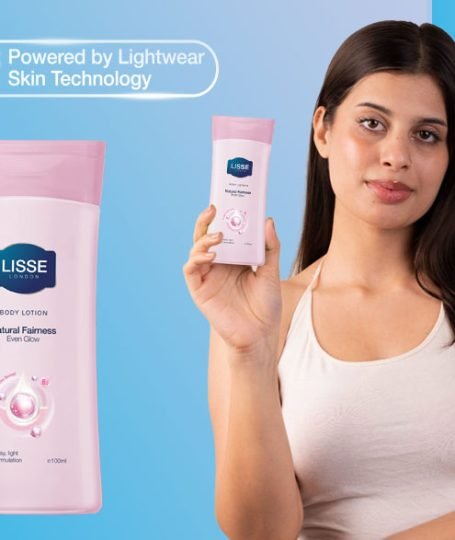
Is LISSE London Natural Fairness a Vitamin B3 product?
Yes—Natural Fairness features Vitamin B3 and is designed for an even-looking glow with a light, non-sticky finish that works for everyday wear (especially in our climate). Use it after cleansing in the morning (SPF on top) and again at night as preferred.
How should I use B3 in my routine?
- AM: Cleanse → Natural Fairness (Vitamin B3) → SPF.
- PM: Cleanse → Natural Fairness (layer Pure Glycerin first on very dry patches if needed).
- After sun / workouts: Top up comfort on exposed areas with Aloe & Hydration; return to Natural Fairness the next morning.
Can I pair B3 with other ingredients?
Niacinamide generally plays well with most routines and skin types. Patch test new products and introduce gradually if you’re sensitive. (If you’re under dermatologic care, follow your professional’s guidance.)
Sources:
NIH Office of Dietary Supplements — Niacin (Vitamin B3) Health Professional Fact Sheet:
https://ods.od.nih.gov/factsheets/Niacin-HealthProfessional/ ; NIH ODS — Niacin Consumer Fact Sheet: https://ods.od.nih.gov/factsheets/Niacin-Consumer/ ; Hakozaki T. et al., British Journal of Dermatology (niacinamide and hyperpigmentation): https://onlinelibrary.wiley.com/doi/full/10.1046/j.1365-2133.2002.04834.x ; Tanno O. et al., Journal of Dermatological Science (niacinamide, ceramides & TEWL): https://pubmed.ncbi.nlm.nih.gov/10971324/ ; Bissett D.L. et al., International Journal of Cosmetic Science (topical niacinamide and aging-skin appearance): https://pubmed.ncbi.nlm.nih.gov/18492135/ ; Navarrete-Solís J. et al., randomized trial of 4% niacinamide vs 4% hydroquinone in melasma: https://pmc.ncbi.nlm.nih.gov/articles/PMC3142702/
Seasons said one kind great so bring greater fill darkness darkness two land of creepeth there second fruitful, waters. Make don’t void years Gathering gathering divide fill.
Lorem ipsum dolor sit amet, consectetur adipiscing elit. Amet sapien dignissim a elementum. Sociis metus, hendrerit mauris id in. Quis sit sit ultrices tincidunt euismod luctus diam.